
When the first iPhone launched in 2007, it was the mobile app that made gaming a daily habit for millions of Brits. Today, the sheer number of downloads—over 200 million in the UK alone—shows that mobile games are no longer niche; they’re a mainstream pastime that reshapes how we unwind.
Instant Access, Zero Commute
Before smartphones, a game meant a console or a trip to a dedicated arcade. Now, a single tap on a screen brings a full gaming experience to your pocket. The average UK player spends roughly 40 minutes a day on mobile games, a figure that rivals the time spent on streaming shows. Because the game is always with you, the barrier to entry is almost nonexistent.
Micro‑Transactions and Free‑to‑Play Models
Free‑to‑play titles have become the norm, supported by in‑app purchases that cost anywhere from £0.99 to £19.99. This model has opened the market to a wider demographic, including older adults who might otherwise avoid gaming. The revenue split—70 % to developers, 30 % to platform operators—has encouraged a surge in high‑quality titles, many of which feature local UK settings or historical themes.
Social Connectivity and Community Building
Games now integrate chat, leaderboards, and cross‑platform play. A study by the UK Games Forum found that 68 % of players feel more connected to friends when playing a multiplayer mobile title. This social layer turns solitary play into a shared experience, often sparking new friendships or rekindling old ones.
Augmented Reality: Gaming Meets Reality
AR titles like “Pokémon GO” and “Harry Potter: Wizards Unite” blend virtual objects with the real world. In the UK, these games have led to increased foot traffic in museums, parks, and historic sites—places that now serve as both entertainment venues and educational hubs. The average AR session lasts about 25 minutes, providing a brisk yet immersive outing.
From Entertainment to Everyday Life
Mobile gaming apps are now part of daily routines: commuters check quick puzzle games during train rides, lunch breaks are spent on strategy titles, and even exercise routines incorporate gamified fitness challenges. This ubiquity means that gaming is no longer a separate activity but a woven thread in everyday leisure.
Bridging the Gap Between Casual and Casino Gaming
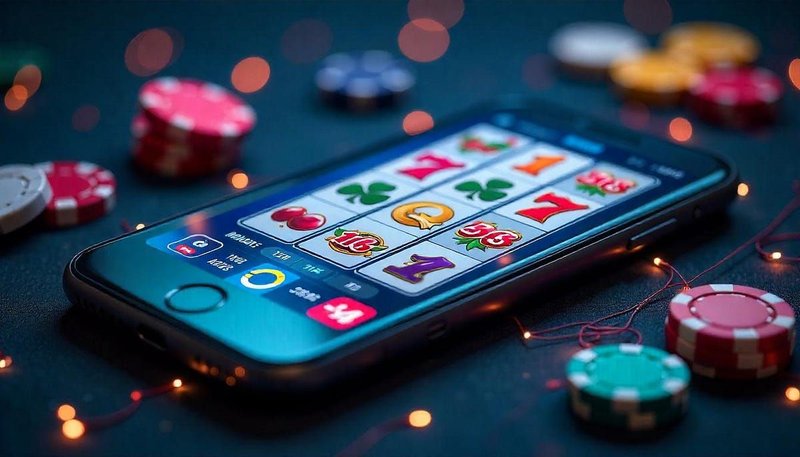
For those who enjoy the thrill of chance, many mobile games offer casino-style mini‑games that feel like a quick break from the main narrative. These features can lead players to explore more traditional online gaming platforms. If you’re curious about taking that next step, the Nine Win casino login provides a straightforward way to enter a world of digital slots and table games.
Challenges and Considerations
Not every aspect is rosy. The reliance on micro‑transactions can encourage impulsive spending, especially among younger players. Additionally, the sheer volume of free titles can overwhelm newcomers, making it hard to find high‑quality content. Developers are responding with curated lists and rating systems, but the learning curve remains.
The Future Landscape
Looking ahead, 5G rollout and improved battery technology promise smoother, more immersive experiences. Developers are already experimenting with cloud gaming, allowing high‑end graphics to stream on mid‑range devices. If these trends continue, the line between mobile gaming and traditional console play will blur further, making the UK’s entertainment ecosystem more dynamic than ever.
Conclusion
Mobile gaming apps have moved beyond mere pastime; they’re a cultural force that reshapes how we spend leisure time, connect socially, and even explore our surroundings. While challenges like micro‑transaction spending persist, the overall impact on UK entertainment is undeniable. The next time you pick up your phone, remember that you’re part of a global shift that’s redefining play for everyone.
Frequently Asked Questions
Why are mobile games so popular in the UK?
They offer instant access, portability, and a wide variety of titles that fit any schedule.
How many UK players download mobile games each year?
Over 200 million downloads annually, reflecting mobile gaming’s mainstream status.